
20 October 2025
Airborne wind energy takes flight: kites as the next frontier
BRIEF NEWS
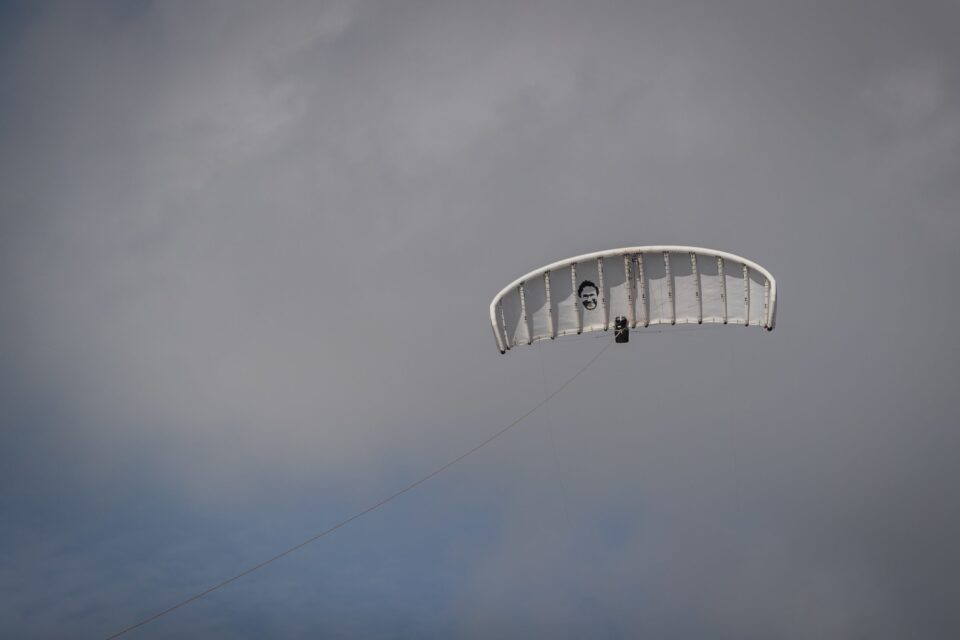
A new video explores the rise of airborne wind energy systems (AWES) - kite-based flying devices harvesting wind power at high altitudes.
Airborne wind energy systems (AWES) go beyond conventional wind-turbine heights, promising potentially lower material usage, more flexible deployment, and access to wind resources untapped by traditional towers and rotor blades.
A recently published video argues that the wind-energy industry may be “building wind energy wrong” if it ignores the higher-altitude, lighter-weight frontier. It showcases how using tethered kites or flying devices can access stronger, more consistent winds at altitudes and reduce costs by avoiding heavy foundations and towers.
This new approach to wind generation reflects the kind of innovation that the MERIDIONAL project is supporting through its research. MERIDIONAL’s goal is to develop a validated tool-chain based on an open-source knowledge data hub to enable accurate assessment of loads, performance and design across on-shore, off-shore and airborne wind energy systems – precisely the kind of high-altitude, non-traditional systems the video describes.
Together with sibling projects such as AIRE and FLOW, it contributes to the WindLab – Knowledge and Data Hub, facilitating shared datasets, best practices and simulation tools for the wind-energy sector.
In short: the video’s vision of kite-based wind harvesting aligns strongly with MERIDIONAL’s mission to push modelling, design and performance assessment into new regimes – especially airborne systems – thereby helping Europe accelerate its clean-energy ambitions.
Watch the video:
Photo credits: KitePower